


Resources
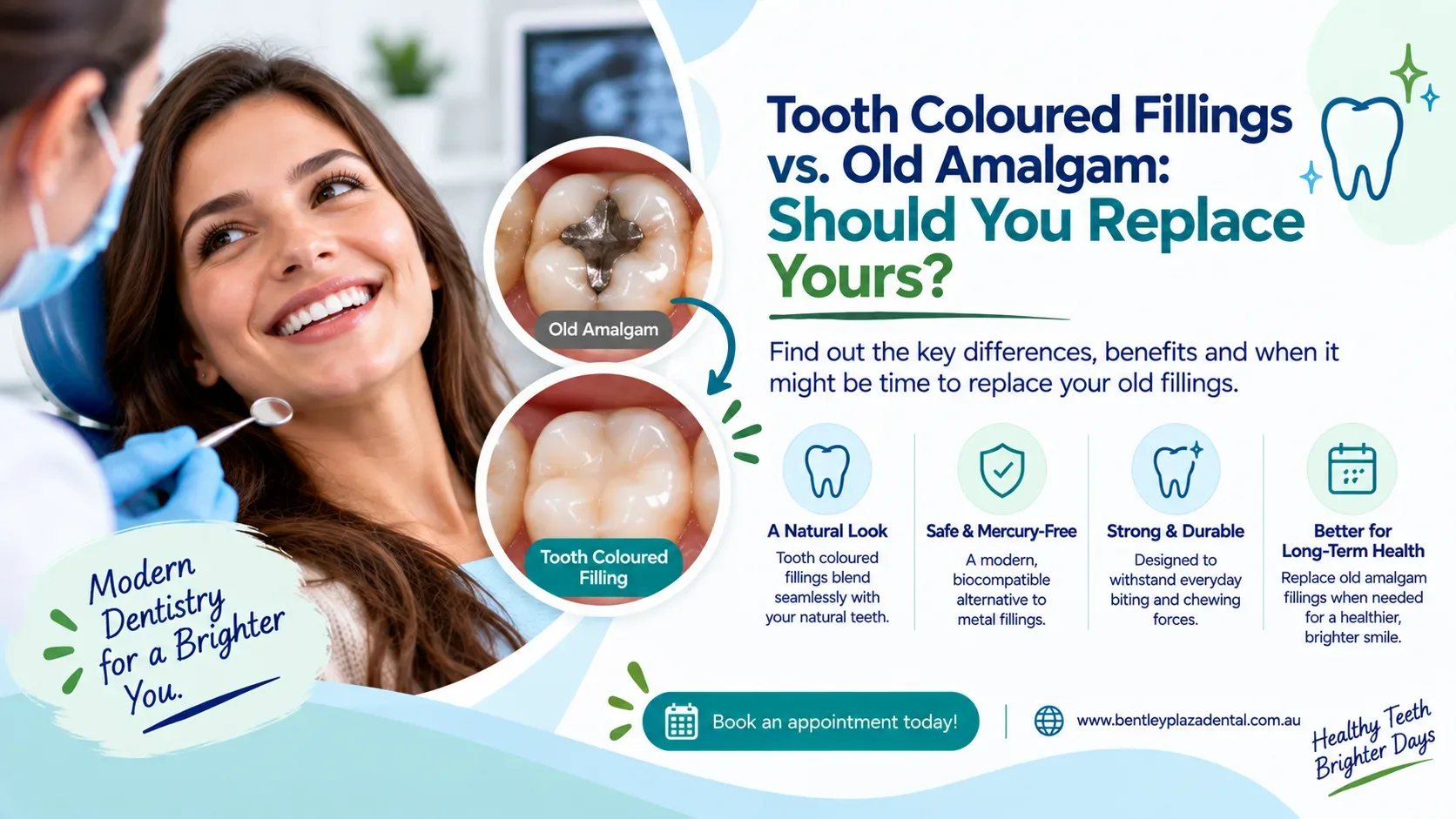
Tooth Coloured Fillings vs. Old Amalgam: Should You Replace Yours?
Still have old metal fillings? Here's how they compare to modern tooth-coloured options.
September 28, 2026
Read More
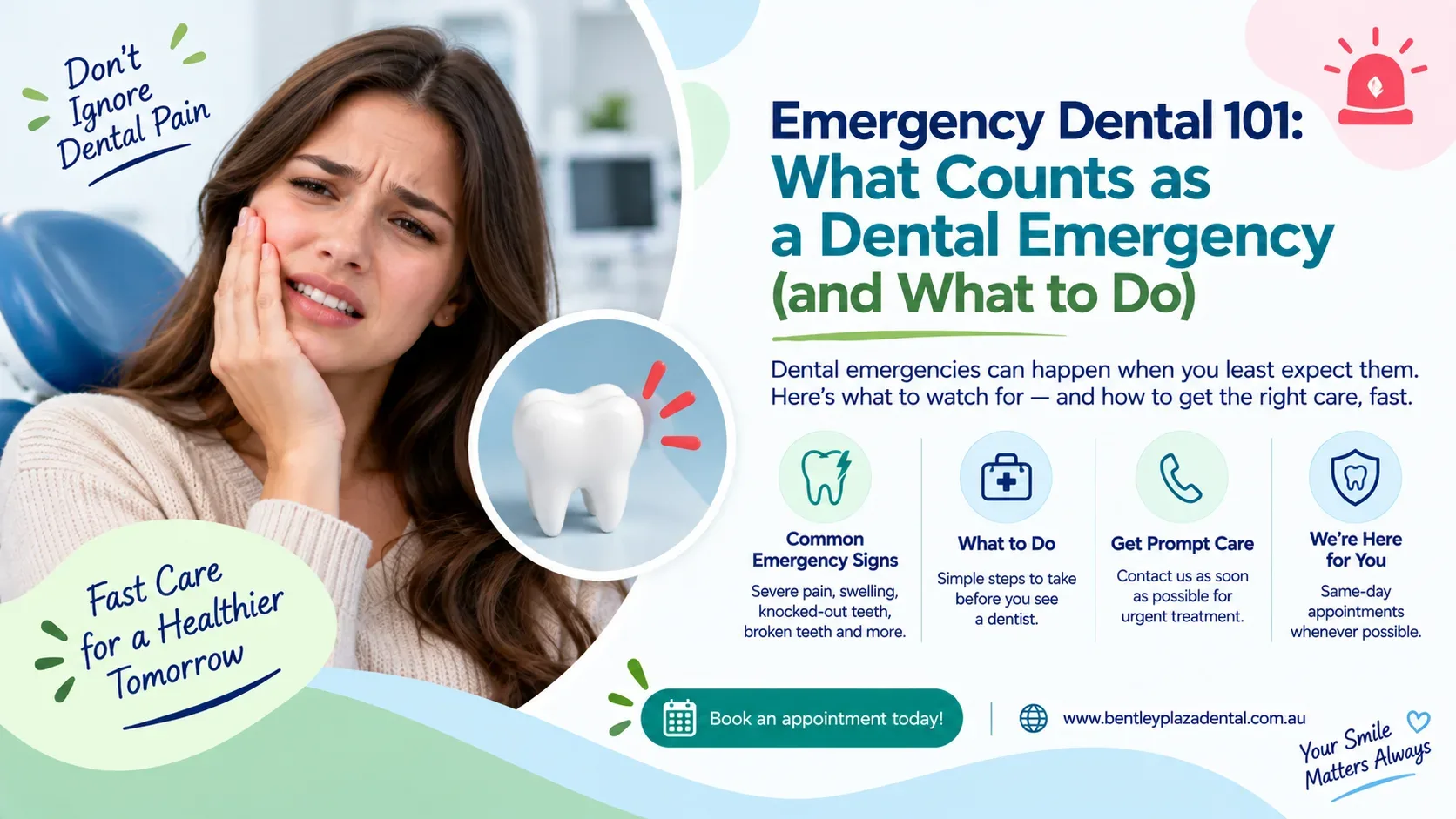
Learn how to recognise a real dental emergency and what to do before you can see a dentist.
Not every dental issue is an emergency, but some genuinely can't wait — and knowing the difference helps you respond quickly when it matters, rather than losing time deciding whether to call.
Generally, a dental emergency involves severe pain, uncontrolled bleeding, a knocked-out or badly broken tooth, or signs of a serious infection. Specifically, this includes:
Mild sensitivity, a small chip with no pain, or a loose filling with no discomfort can typically wait for a regular appointment rather than an emergency one — though they shouldn't be ignored indefinitely either.
Dental emergencies tend to get more complicated, not less, the longer they're left. A knocked-out tooth that could have been saved within the first hour may not be salvageable a few hours later. An infection that starts small can spread and become far more serious if untreated. Acting promptly generally means a simpler, less invasive treatment. Our emergency dentist in Perth page explains what happens at an urgent visit.
If you're dealing with a dental emergency, don't wait to see if it settles on its own. Call us on (08) 9466 3600 for emergency appointments, or visit us at Shop FS6B, 1140 Albany Hwy, Bentley WA 6102.
This information is general guidance and isn't a substitute for professional care. If you're experiencing a medical emergency (such as severe swelling affecting breathing), seek immediate emergency medical attention.
This article is general information only. It is not a substitute for advice about your own mouth. Talk to your dentist about what suits you.
Keep reading